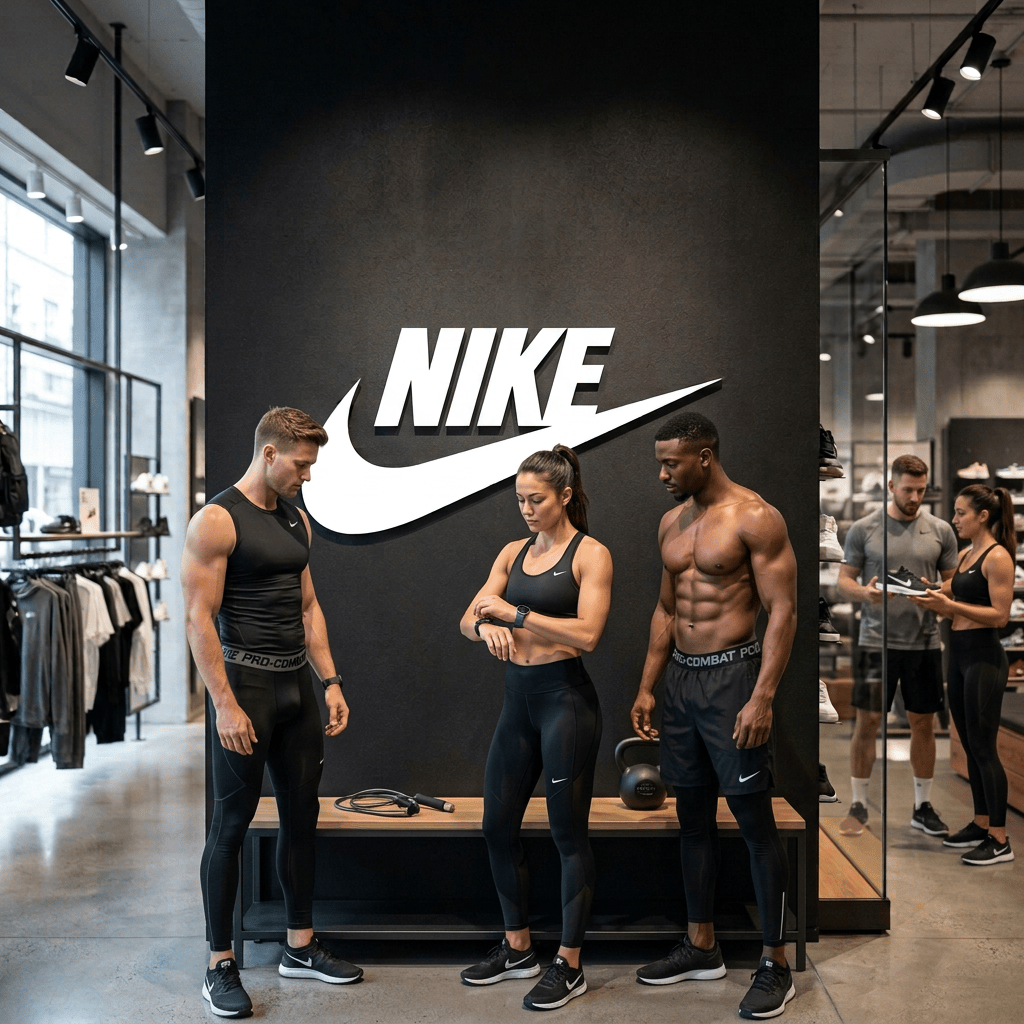
Nike is one of the most recognizable athletic brands in the world and is known for creating products that combine performance, style, and innovation. For this marketing research project, I chose Nike because the company already has a strong reputation in running and technology. My new consumer product concept is Nike Smart Running Shoes, which would combine the comfort and performance of Nike running shoes with built-in technology that tracks a runner’s performance.
The Nike Smart Running Shoes would have sensors built into the shoes that could track information such as distance, pace, cadence, stride length, steps, and running form. The shoes could connect directly to the Nike Run Club app so users could see their results and receive personalized recommendations. This would fit well with Nike’s current digital strategy because the Nike Run Club app already provides runners with training plans, guided runs, challenges, and connections to wearable devices (Nike, Inc., 2024). Instead of runners needing another device to collect some of their information, the technology would be directly inside their shoes.
Target Audience
The main target audience for Nike Smart Running Shoes would be active adults between approximately 18 and 45 years old who run, exercise, or are interested in improving their fitness. This could include beginner runners, experienced runners, athletes, gym users, and people training for races. I would also target consumers who already use fitness watches, running apps, or other wearable technology.
I believe this audience would be interested in the product because many consumers want convenient ways to monitor their progress. Nike already provides training plans for different levels of runners through the Nike Run Club app, including plans for beginners and people training for 5K and 10K races (Nike, n.d.). The smart shoes could make the experience even more personalized by collecting information directly from the runner’s movement.
Competition
Nike would have to consider both direct and indirect competition. One important example is Under Armour because the company previously developed connected running shoes that could track information such as distance, pace, cadence, and stride length (Under Armour, 2018). This shows that there has been interest in combining footwear and digital running technology. However, Under Armour states that its shoe connectivity to MapMyRun expired on March 31, 2025 (Under Armour, n.d.). This could create an opportunity for Nike, but it also shows why Nike would need to research whether consumers still want connected footwear and what features they value most.
Indirect competitors would include fitness watches and wearable devices. Nike would have to give consumers a reason to purchase smart shoes when many runners can already track workouts with another device. One advantage Nike has is its existing Nike Run Club platform. The app currently allows runners to use guided runs, participate in challenges, track achievements, and connect with compatible wearable devices (Nike, n.d.).
External Factors and Marketing Research
Technology would be one of the biggest external factors affecting this product. Nike would need to make sure the sensors are accurate, durable, comfortable, and easy to connect. Economic factors would also matter because adding technology could make the shoes more expensive than regular running shoes. Consumers may like the idea but may not purchase them if the price is too high. Social trends toward fitness, health, personalization, and wearable technology could create opportunities for the product.
Before launching the shoes, I would use both qualitative and quantitative marketing research. Surveys could help Nike determine how much consumers would be willing to pay, which features they want, and how often they would use the technology. Focus groups and product testing could provide more detailed feedback about comfort, design, ease of use, and the Nike Run Club connection.
Overall, I think Nike Smart Running Shoes could be a strong product concept because they combine something Nike already does well running shoes with technology and personalized fitness information. However, marketing research would be important before the launch. Understanding the target audience, competition, price expectations, and most wanted features would allow Nike to develop a product based on what consumers actually want instead of assuming what they want.
REFERENCES
Nike. (n.d.-a). Does the NRC app have training plans? Nike Help. https://www.nike.com/help/a/nrc-plan
Nike. (n.d.-b). Nike Run Club app. https://www.nike.com/nrc-app
Nike, Inc. (2024, November 13). Nike Run Club app delivers new features to prepare, support and empower runners. Nike Newsroom. https://about.nike.com/en/newsroom/releases/nike-run-club-app-new-features
Under Armour. (n.d.). Connected shoes. https://www.underarmour.com/en-us/t/connected-shoes-page.html
Under Armour. (2018, November 8). Let’s connect. https://about.underarmour.com/en/stories/2018/11/let-s-connect.html
 alyssagibson1627e10df4d-qdgmv
Leave a comment